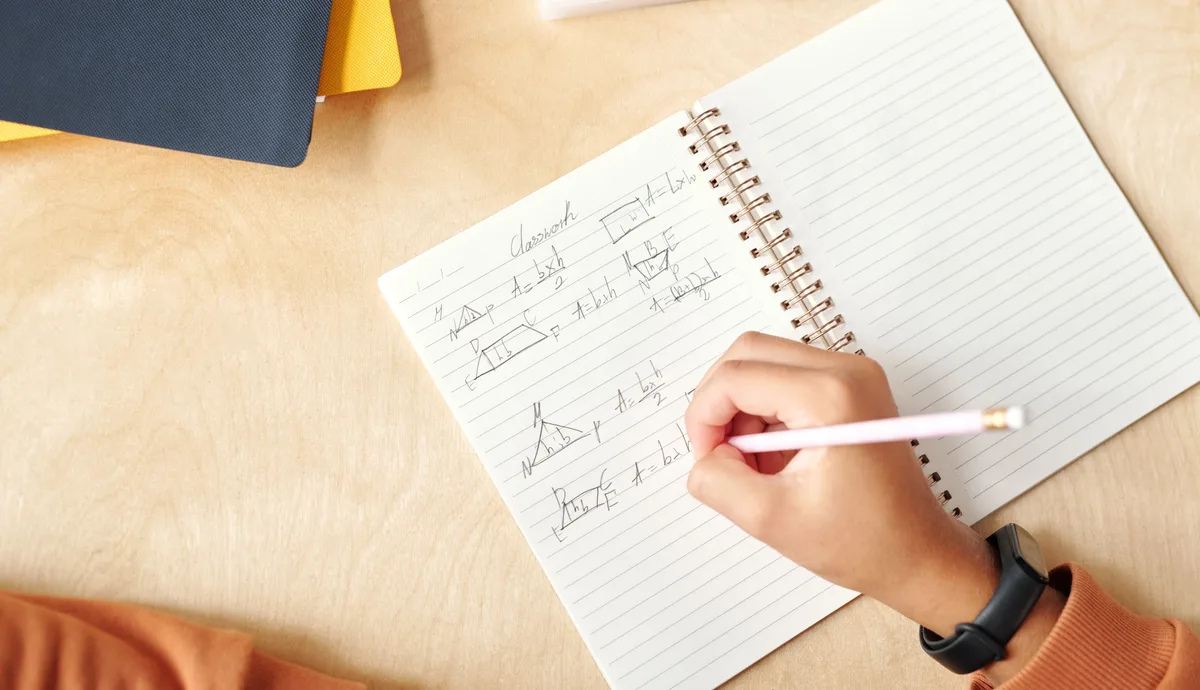
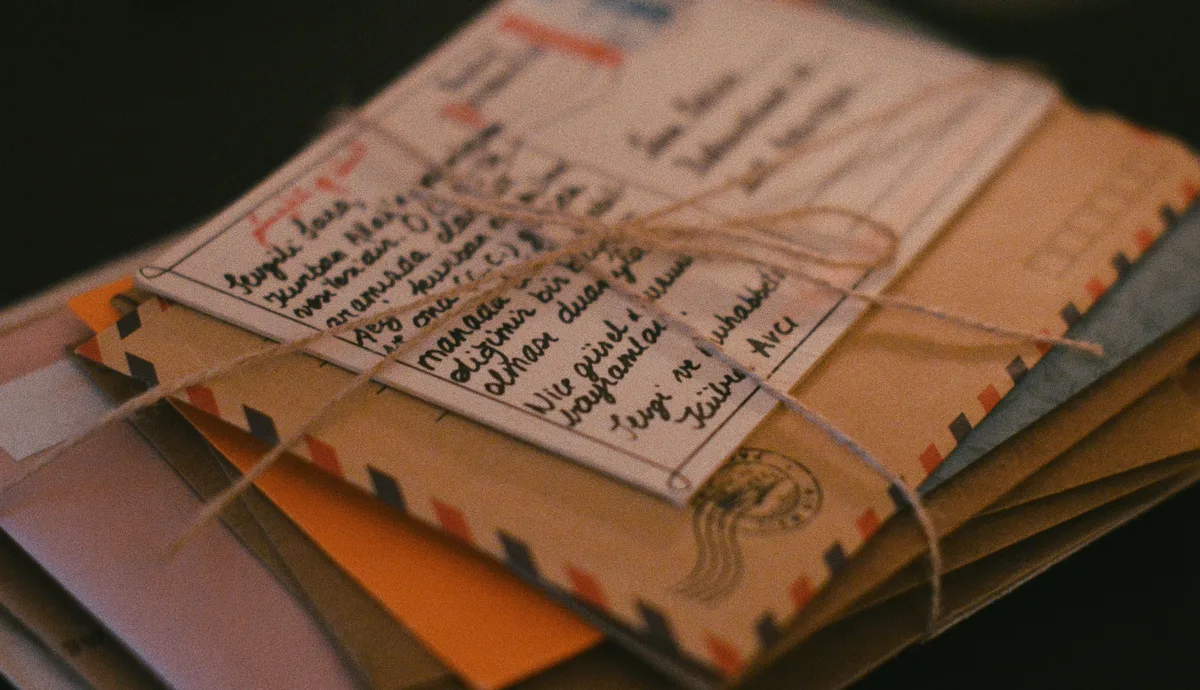
Anonymous marking
Anonymous marking means the examiner marks your answer book without knowing whose it is, because your roll number is replaced by a code.

CBSE's Examination Bye-Laws, from 1995 and last updated in 2004, set out a coded roll number. They say answer books reach the board under real roll numbers. Before marking, these are "converted into fictitious numbers". A fictitious number is a made-up code. A team called secrecy officers makes the change.
"All answer books bearing fictitious roll numbers shall be evaluated by approved examiners."
So the examiner holds a book with a code on it. There is no roll number to look a student up by.
What must a student not write?
The Bye-Laws do not allow a name or a signature in the answer book. They also bar "any sign or mark" that could show who you are. Breaking this rule counts as unfair means, the board's term for cheating. The result is then not declared.
What does the code not hide?
The code hides the name, not the handwriting. The rules here come from the Bye-Laws of 1995, updated to December 2004. No official notice was found that changes them for 2026. This entry covers CBSE only. No CISCE document read for it describes how ICSE answer books are coded.
Our page on whether examiners know whose answer sheet it is covers the full detail.
Sources
Facts last checked against these sources on 30 September 2026.
About the author
Chief Architect
An engineer (B.Tech, Computer Science) with over 20 years of preparing students for entrance exams, including as Dean at FIITJEE and Vice-President at Aakash. He is the chief architect of the TRUpreBoards evaluation engine.
Mohit Sardana on LinkedIn